Pastel Plaid Lumberjack Seamless Pattern: A Strategic Asset for Creative Professionals and Small Business Owners
When you first encounter the Pastel Plaid Lumberjack Seamless Pattern, it might appear simply as a visually pleasing design. But for those who work daily with branding, product development, content creation, or customer experience, this pattern represents something far more useful: a repeatable, scalable visual tool that can support multiple strategic goals across different projects. Understanding what this pattern is—and how to deploy it deliberately—can shift your approach from random decoration to intentional design that drives results.
What the Pastel Plaid Lumberjack Seamless Pattern Actually Offers
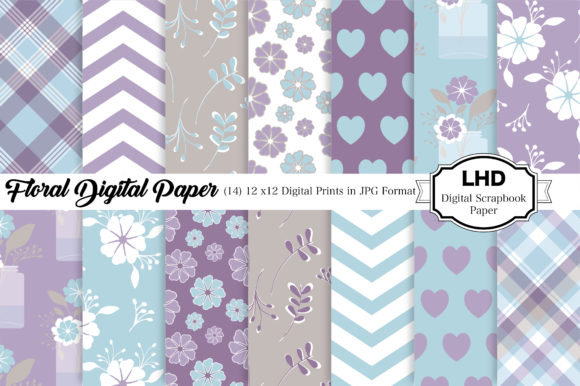
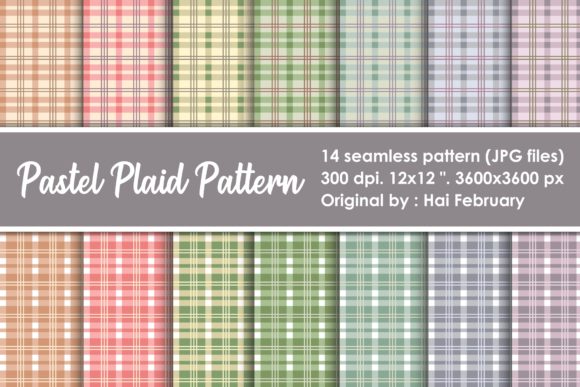
At its core, this pattern combines the classic lumberjack plaid motif with a softened pastel palette, creating a look that feels simultaneously rustic and gentle, familiar and fresh. Because it is a seamless pattern, it can repeat infinitely without visible breaks, making it ideal for surfaces, fabrics, digital backgrounds, and printed materials. The specific deliverable you receive—14 JPG files, each 3600x3600 pixels at 300 dpi, sized 12x12 inches—gives you both resolution and flexibility. You are not locked into one color variation or scale. Instead, you have options to test, compare, and apply the pattern across different contexts without needing to recreate or relicense the asset.
For entrepreneurs and small business owners, this is not just a decorative element. It is a reusable resource that can appear on packaging, website headers, social media templates, physical products, and promotional materials. The high resolution ensures professional print quality, while the seamless nature means you can tile it across large surfaces without awkward repeats. The pastel tones keep the pattern approachable and modern, which matters when your audience includes adults seeking calm, nostalgic, or handmade aesthetics.
Why Thoughtful Pattern Selection Supports Better Branding and Positioning
Branding decisions often hinge on consistency and emotional resonance. A pattern like the Pastel Plaid Lumberjack Seamless Pattern can become a recognizable visual signature if used with intention. Unlike a logo, which may be small and static, a pattern can wrap around a product, fill a background, or become a textile. It communicates atmosphere before anyone reads a single word.
Consider a small business selling stationery or scrapbook supplies. Using this pattern across product lines, from paper pads to storage boxes, creates a cohesive look that customers learn to identify. The pastel plaid signals warmth, craftsmanship, and a touch of nostalgia without being overly masculine or overly feminine. It strikes a balance that appeals to adults who value thoughtful design but do not want their purchases to feel childish or trendy.
For educators and hobbyists, the same pattern can serve as a backdrop for instructional materials, workshop handouts, or digital presentation templates. Because the pattern is calm and structured, it adds visual interest without distracting from content. This is a strategic advantage: you can elevate the perceived quality of your materials simply by choosing a background that feels intentional rather than generic.
Practical Applications Across Creative and Commercial Projects
When you download this pattern set, you gain 14 distinct files. That variety is not accidental. Different projects require different scales, orientations, or color emphases. Having multiple versions allows you to test which iteration works best for a specific substrate or screen size without editing the original.
Scrapbook and Paper Craft Supplies
If you create or sell scrapbook supplies, this pattern can appear on printed paper sheets, die-cut shapes, sticker sheets, and project cards. The 12x12 inch size matches standard scrapbook page dimensions, meaning you can use the files directly for printing or digital layouts. The 300 dpi resolution ensures sharp output even when the pattern is printed at full size. Because the pattern is seamless, you can cover an entire page or cut specific sections without worrying about alignment.
Fabric and Textile Products
For those producing fabric—whether for quilting, apparel, home decor, or accessories—a seamless pattern is essential. The Pastel Plaid Lumberjack Seamless Pattern, provided as high-quality JPG files, can be uploaded to print-on-demand fabric services or used in digital mockups. The pastel palette reduces the risk of overwhelming a garment or home textile, making it suitable for items like baby blankets, table runners, throw pillows, or lightweight scarves. The strategic value here is versatility: one pattern can serve multiple product lines, reducing the need to commission custom artwork for each item.
Digital Content and Social Media
Bloggers, content creators, and social media managers can use these patterns as backgrounds for quote graphics, video thumbnails, product announcements, or email headers. Because the files are large and high-resolution, they can be cropped, resized, or overlaid with text without losing quality. A consistent visual theme across platforms helps build recognition. Rather than searching for new backgrounds each week, you can rotate these 14 variations while maintaining a cohesive aesthetic.
Packaging and Product Presentation
Small businesses selling physical goods often struggle to create packaging that feels premium without expensive custom printing. Using a seamless pattern as a wrapping paper, box liner, or product insert adds perceived value. The Pastel Plaid Lumberjack Seamless Pattern communicates care and attention to detail. Customers notice when a brand goes beyond plain brown boxes. That small investment in visual coherence can support positive unboxing experiences and organic social sharing.
How to Approach This Pattern Strategically Rather Than Randomly
The risk of owning any pattern set is using it everywhere without regard for context. A pastel plaid can feel charming on a greeting card but out of place on a corporate invoice. The key is to define where and why you will use it before you open the files.
Start by listing the touchpoints where your audience encounters your brand or products. These might include your website, product packaging, social media profiles, printed collateral, email templates, and physical products. For each touchpoint, ask whether the pattern supports or undermines your core message. If your brand values include warmth, handmade quality, nostalgia, or nature, the pattern likely reinforces them. If your brand is minimal, corporate, or high-tech, the same pattern might feel dissonant.
Next, decide which of the 14 variations align with each use case. Some files may feature larger plaid scales, while others are tighter. Some may have softer contrast, others more defined lines. Testing a few options on mockups before committing to production printing can save time and money. Because you have 14 files, you can afford to be selective.
Also consider the emotional tone you want to set. Pastel colors are generally perceived as calming, gentle, and approachable. The plaid structure adds order and familiarity. Together, they create a mood that works well for products aimed at adults seeking comfort, creativity, or connection. If your goal is to energize or provoke, this pattern may not serve that objective. Honesty about your intended outcome prevents misalignment.
Long-Term Value and Operational Considerations
From a business perspective, purchasing a pattern set like this is not a one-time expense but a reusable asset. The 14 JPG files, each at 3600x3600 pixels with 300 dpi, can be stored, archived, and repurposed across multiple seasons and campaigns. Unlike a trend-driven graphic that feels dated after six months, a pastel plaid has enduring appeal because it references classic design motifs while staying soft and contemporary.
You can also scale its use: start with one product line, test customer response, and expand to additional applications if the feedback is positive. This phased approach reduces risk. If the pattern resonates, you have 13 other variations to explore. If it does not, you have not overcommitted your brand identity to a single visual.
For freelancers and creative professionals, having a library of seamless patterns available for client work can speed up project timelines. Instead of designing a pattern from scratch for every client request, you can license or apply an existing pattern that fits the brief. This efficiency supports productivity without sacrificing quality. The 300 dpi resolution ensures print-ready output, which clients in publishing, packaging, or merchandising will expect.
What to Consider Before Relying on This Pattern as a Core Asset
No single pattern can serve every purpose. Before you make the Pastel Plaid Lumberjack Seamless Pattern a central element of your brand or product line, evaluate a few factors.
First, consider scalability across different media. While JPG files are widely compatible, they are not ideal for all workflows. If you need transparent backgrounds for layering over other images, you may need to convert or combine formats. For most print and digital uses, however, the provided JPGs will perform well.
Second, think about differentiation. If many businesses in your niche use similar plaid or pastel patterns, your visual identity may blend in rather than stand out. The solution is not to abandon the pattern but to pair it with distinctive typography, colors, or imagery that are uniquely yours. Use the pattern as a supporting element, not the sole identifier.
Third, test color accuracy before production. Monitors display colors differently, and printing processes introduce further variation. Request a physical proof or print a small sample before committing to a large run of fabric, packaging, or paper goods. The 14 variations give you options, but you still need to verify how they appear on your chosen substrate.
Fourth, be mindful of audience fatigue. Using the same pattern everywhere can make your brand feel repetitive or one-dimensional. Rotate among the 14 files, combine with solid colors, or use the pattern at different scales to maintain visual interest. Repetition builds recognition, but variation keeps engagement alive.
Using the Pastel Plaid Lumberjack Seamless Pattern to Enhance Customer Experience
Customer experience is shaped by every visual and tactile detail, from the first website visit to the moment a product is unboxed. A thoughtfully applied pattern can signal quality, care, and consistency. When customers encounter the same pastel plaid on your social media banner, your product packaging, and your instructional insert, they perceive coherence. That coherence builds trust over time.
You can also use the pattern to create limited editions or seasonal offerings. Because you have 14 variations, you could assign specific files to different product lines or collections. Customers who appreciate the design may collect multiple items, increasing repeat purchases. This is a subtle but effective loyalty driver: visual continuity invites deeper engagement.
For educators creating workshop materials or digital courses, the pattern can serve as a unifying background for slides, handouts, and certificates. Learners respond positively to materials that feel prepared and polished. The pattern adds a layer of professionalism without requiring advanced design skills.
Final Strategic Observations for Decision-Makers
The Pastel Plaid Lumberjack Seamless Pattern is more than a pretty graphic. It is a decision-making tool for anyone who needs consistent, high-quality visual assets across multiple projects. The 14 JPG files at 3600x3600 pixels and 300 dpi give you professional-grade flexibility. The seamless repeat saves you from technical frustrations. The pastel plaid aesthetic serves a wide range of adult audiences without alienating specific demographics.
To use it well, start with a clear goal. Define which touchpoints will carry the pattern, which emotional tone you want to set, and how the pattern supports your broader brand or project objectives. Test variations before committing. Rotate files to maintain freshness. Combine the pattern with other distinctive elements to avoid blending in. And always keep your audience’s expectations at the center of your decisions.
When you approach this pattern deliberately rather than randomly, it becomes a strategic resource that can support branding, productivity, customer experience, and long-term consistency. That is the difference between decorating and designing with purpose.