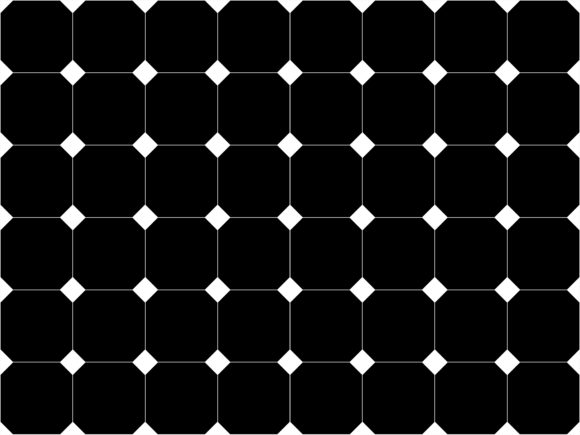
Seamless of Rhombus Tile Pattern: A Strategic Design Resource for Modern Visual Identity
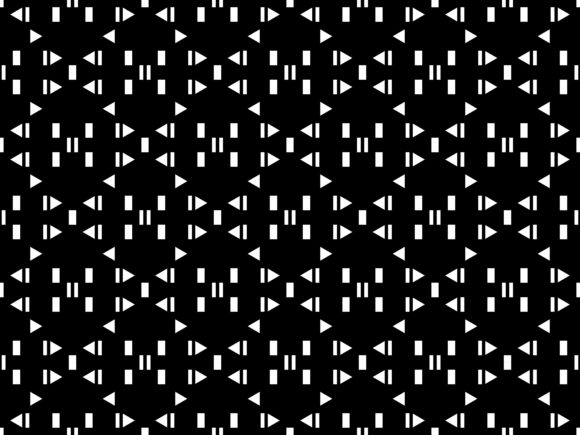
When you encounter a seamless of rhombus tile pattern, you are looking at more than a repeating geometric motif. You are looking at a structured visual system that can influence perception, reinforce brand identity, and create a consistent backdrop across multiple media. The seamless of rhombus tile pattern, especially in a monochrome palette with white lines on a black background, carries a distinct modern hipster aesthetic that appeals to audiences seeking sophistication, order, and understated contrast.
For entrepreneurs, marketers, creators, and decision-makers, understanding how to use this pattern thoughtfully can support goals ranging from product packaging and website design to interior finishes and textile production. This article explores the strategic value of the seamless of rhombus tile pattern, practical ways to incorporate it into your work, and the considerations that separate intentional use from simple decoration.
Understanding the Rhombus Tile Pattern as a Design Asset
A seamless of rhombus tile pattern vector is a digital file that repeats infinitely without visible seams, allowing you to cover any surface uniformly. The rhombus shape itself—a parallelogram with equal sides but not necessarily right angles—offers a dynamic alternative to squares or hexagons. When arranged in a continuous grid, the rhombus creates a sense of movement and depth while maintaining geometric precision.
In a monochrome configuration, white lines on a black background emphasize contrast and clarity. This pairing is not accidental. The black background anchors the visual field, while the white rhombus lines draw the eye along a structured path. The result is a pattern that feels both orderly and energetic, making it suitable for contexts where you want to convey modernity, focus, and deliberate craftsmanship.
For professionals who work with visual branding, the seamless of rhombus tile pattern becomes a tool for establishing rhythm and consistency. It signals that attention has been paid to detail, and that the design is intentional rather than arbitrary. This perception matters when you are trying to build trust with an audience or differentiate a product in a crowded market.
Strategic Value of the Seamless Rhombus Pattern in Branding and Communication
Branding is about creating associations. A seamless of rhombus tile pattern can become a signature visual element that appears across your website, business cards, packaging, and social media graphics. When used consistently, it reinforces brand recall and creates a cohesive experience for your audience.
The monochrome scheme adds another layer of strategic advantage. Black and white are timeless, reducing the risk of color trends that date your brand. White lines on black suggest precision, clarity, and a no-nonsense attitude. This works well for brands in technology, design, architecture, fashion, and premium lifestyle sectors.
Consider how a pattern like this functions in communication. It can serve as a background that adds texture without distracting from foreground content. It can also become a focal point when used sparingly—for example, as a wrap on a product box or as a repeating element on a fabric label. The key is to decide whether the pattern supports or competes with your message.
For marketers, the seamless of rhombus tile pattern vector offers scalability. You can enlarge it for a wallpaper installation or reduce it for a textile print, and the pattern maintains its integrity. This flexibility means you can invest in one design asset and apply it across multiple campaigns, saving time and ensuring visual consistency.
Practical Applications Across Media and Industries
The range of use cases for a seamless of rhombus tile pattern is broader than many professionals initially realize. Here are some of the most common and strategically valuable applications:
- Wallpaper and wall coverings: A white-on-black rhombus pattern creates a dramatic backdrop for retail spaces, offices, or residential interiors. It suits modern lofts, studios, and boutique environments where the goal is to project creativity and order.
- Textile and fabric design: On upholstery, apparel, or accessories, the pattern adds a subtle geometric texture that reads as contemporary and intentional. It works particularly well for men's fashion, tech accessories, and home decor items.
- Flooring and tile installations: The rhombus shape lends itself to actual floor tiles, where the pattern can guide foot traffic or define zones within a space. In vinyl or ceramic, it offers durability with visual interest.
- Packaging and wrapping paper: A seamless rhombus pattern on product packaging signals quality and attention to detail. It can be used as a full wrap, a liner, or an accent band.
- Digital backgrounds and backdrops: For websites, social media templates, or video presentations, the pattern provides a professional backdrop that avoids the chaos of a busy image while still offering visual texture.
- Print materials and illustrations: Flyers, posters, brochures, and book covers benefit from the pattern's ability to unify disparate elements into a cohesive layout.
Each of these applications shares a common requirement: the pattern must be seamless. A seamless of rhombus tile pattern vector ensures that you never encounter visible edges or breaks, regardless of how large the surface becomes. This technical reliability is critical for professionals who need predictable results across print runs, fabric batches, or digital displays.
Planning Your Use of the Rhombus Tile Pattern
Before you integrate a seamless of rhombus tile pattern into your project, take time to align the pattern with your goals. Ask yourself what role the pattern will play. Will it be a primary visual element, or will it serve as texture in the background? Will it appear on every piece of collateral, or only in specific contexts?
If you are a small business owner launching a new product line, consider using the pattern on your primary packaging to create a strong shelf presence. If you are a freelancer or blogger, the pattern could become the defining visual of your website header or social media templates. In each case, the pattern should reinforce your core message, not distract from it.
Another planning consideration is scale. The same seamless of rhombus tile pattern vector can be rendered at different sizes, and the visual effect changes significantly. A fine, dense pattern reads as texture or subtle grid. A larger, more open pattern reads as a structural statement. Test both scales before committing to a final design.
You should also consider the medium. On screen, the contrast between white lines and black background may be crisp and clear. In print, you need to ensure that the black coverage is dense enough to avoid looking gray, and that the white lines remain sharp. Work with a printer who understands fine-line geometric patterns to avoid registration issues or ink bleed.
When to Use a Seamless Pattern vs. a Static Design Element
Not every project benefits from a pattern. A single rhombus icon or a static geometric logo may be more appropriate when you want simplicity or when the application is small. However, when you need to cover a surface uniformly—whether that surface is a wall, a fabric panel, or a digital background—a seamless pattern is the right choice.
The seamless of rhombus tile pattern excels in situations where repetition adds value. For example, wrapping paper, wallpaper, and fabric all rely on pattern continuity. If you are designing a collection of products, a consistent pattern across the line creates a coherent brand family. If you are designing a single high-impact piece, like a feature wall or a printed garment, the pattern becomes the hero element.
Professional photographers and videographers also benefit from using patterns as backdrops. A black-and-white rhombus pattern reads as neutral yet distinctive, drawing attention to the subject without overwhelming it. This makes it a versatile tool for product photography, portrait sessions, and content creation.
Considerations Before Committing to a Rhombus-Based Design
While the seamless of rhombus tile pattern vector offers many advantages, there are considerations that deserve your attention before you make it a core part of your visual identity.
First, the monochrome palette, while timeless, may not suit every brand or product. If your brand relies on warm colors or organic textures, a sharp black-and-white geometric pattern could feel out of place. Consider whether the contrast aligns with your brand personality. The pattern projects modernity and structure, so it is best suited for brands that value those qualities.
Second, the rhombus shape carries a specific visual rhythm. Unlike squares, which feel static and stable, rhombuses suggest diagonal movement. This can be energizing, but it can also create a sense of instability if overused. Evaluate how the diagonal lines interact with your other design elements, such as text, logos, and imagery.
Third, consider the production complexity. Printing a fine-line white-on-black pattern on fabric or wallpaper requires precision. If the registration is off, the pattern loses its crispness and the visual impact diminishes. Always request a proof and test the pattern at full scale before proceeding with large runs.
Finally, consider longevity. A pattern that is heavily tied to a specific trend—such as a particular style of hipster minimalism—may feel dated in a few years. The rhombus pattern, when executed in black and white, has a better chance of remaining relevant because it leans on geometry rather than fashion. However, if you choose a variant with unusual angles or highly decorative lines, the risk of dating increases.
Risks of Using the Pattern Without Clear Intent
The most significant risk of using a seamless of rhombus tile pattern is using it without a clear strategic purpose. When a pattern is added simply because it looks good, it can dilute your message rather than strengthen it. Audiences are perceptive, and inconsistency in visual language can erode trust over time.
Another risk is overuse. If every surface, every page, and every product features the same pattern, the visual experience becomes monotonous. The pattern loses its power to differentiate or draw attention. Instead, it becomes background noise. Reserve the pattern for specific touchpoints where it adds the most value, and allow other elements to breathe.
There is also a risk of misalignment with audience expectations. If your target audience associates geometric patterns with a style they do not connect with—such as overly corporate minimalism or cold modernism—they may feel alienated. Test your designs with a small sample of your audience before committing to a broad rollout.
Finally, technical issues can undermine the best intentions. A poorly executed seamless pattern with visible seams, misaligned lines, or insufficient resolution can make your brand look amateurish. Invest in high-quality vector files and work with experienced production partners to ensure the final result matches your vision.
How to Implement the Pattern Intentionally for Long-Term Results
To use a seamless of rhombus tile pattern intentionally, start by defining the role it will play in your overall visual system. Write a brief sentence that describes its function. For example: "The rhombus pattern will serve as a consistent background texture across all packaging and digital headers to reinforce brand cohesion." This clarity helps you make consistent decisions.
Next, establish guidelines for usage. Specify minimum and maximum scale, acceptable color variations (if any), and the contexts in which the pattern should appear. If you are working with a team, these guidelines prevent the pattern from being applied haphazardly.
Consider creating a library of variations. A single vector file can be scaled, rotated, or masked to create subtle differences. You might use a dense version for small surfaces like business cards and a sparse version for large surfaces like wallpapers. This flexibility allows the pattern to feel adaptable while remaining recognizably the same.
Finally, revisit your use of the pattern periodically. As your brand evolves, the pattern may need to be adjusted or retired. Treat it as a living asset rather than a fixed decision. If you find that the pattern no longer serves your goals, be willing to adapt or replace it.
Final Strategic Observations
The seamless of rhombus tile pattern, especially in its monochrome white-on-black vector form, is a powerful design resource for professionals who value clarity, consistency, and modern aesthetics. It offers a structured visual language that can be applied across physical and digital media, making it a versatile addition to any brand toolkit.
However, its value ultimately depends on how thoughtfully it is deployed. When aligned with clear goals, tested in context, and produced with quality, the pattern can elevate your branding, enhance customer experience, and create a memorable visual identity. When used without strategy, it risks becoming decoration that obscures your message rather than amplifying it.
For creators, marketers, entrepreneurs, and decision-makers, the best approach is to view a seamless of rhombus tile pattern vector not as a quick aesthetic fix, but as a deliberate component of your broader communication strategy. Plan its use, test its impact, and refine based on results. With intentionality, a simple geometric pattern can become a defining element of your professional work.