Seamless Crescent Shape Pattern: A Modern Monochrome Design Revolution
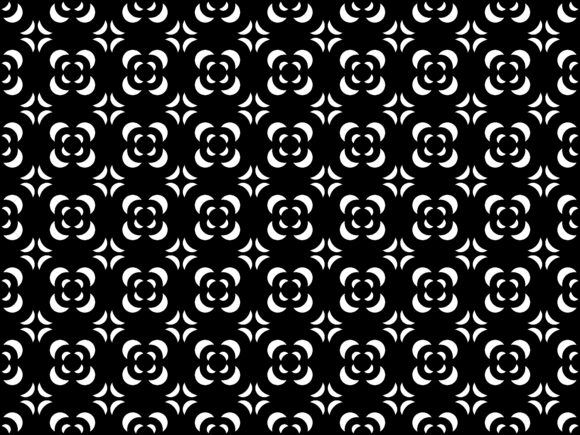
In the world of contemporary design, patterns speak louder than colors. Among the most compelling visual languages to emerge in recent years is the seamless crescent shape pattern — a modular geometric motif that combines simplicity with striking visual impact. When rendered in crisp white on a deep black background, this pattern transcends mere decoration to become a statement of modern, hipster-inspired minimalism. Whether you are a designer, a textile artist, an interior decorator, or simply someone who appreciates clean aesthetics, understanding the crescent shape pattern and its vector-based seamless applications can transform the way you approach visual projects.
This article explores the crescent shape pattern from the ground up: what it is, why it matters, how it is created as a vector, and where it fits into modern design across fashion, wallpaper, textile, wrapping, and digital illustration. By the end, you will have a thorough understanding of how this monochrome, modular geometric pattern works and how you can use it effectively.
What Is a Seamless Crescent Shape Pattern?
A seamless crescent shape pattern is a repeating design element where crescent moon forms are arranged in a continuous, uninterrupted layout. The term "seamless" means that the pattern tiles perfectly — when placed side by side, there are no visible edges, breaks, or disruptions. This creates a fluid, infinite visual field that can be extended across any surface without repetition becoming obvious.
The crescent itself is a simple geometric shape: a curved arc that resembles a new or waxing moon. In the context of this pattern, crescents are often stylized into precise, modular forms — sometimes overlapping, sometimes nested, sometimes rotated at consistent angles. The modular geometric approach means that each crescent is part of a system of repeatable units that lock together like pieces of a puzzle, creating a cohesive whole.
When designed in white on a black background, the pattern achieves high contrast and dramatic depth. The black background absorbs light while the white crescents jump forward, creating a sense of movement and rhythm. This monochrome concept is essential to the modern, hipster-isolated aesthetic that values bold simplicity over ornamentation.
The Crescent Pattern Vector: Precision and Scalability
At the heart of any seamless crescent shape design is the crescent shape pattern vector. A vector is a digital graphic defined by mathematical paths rather than pixels. This means it can be scaled infinitely without losing quality — from a tiny icon on a business card to a massive mural on a building wall. For designers, vectors are indispensable because they allow for crisp, clean edges and perfect repeatability.
Creating a crescent pattern vector involves several steps:
- Drawing the crescent — using software like Adobe Illustrator, CorelDRAW, or Affinity Designer, the crescent is created by overlapping two circles or using a Bézier curve tool to define its curved shape.
- Arranging the modular units — once the crescent shape is established, it is duplicated and rotated or reflected to create a tileable block. The key is to ensure that the edges of the block match seamlessly when tiled.
- Testing the seamless loop — the vector file is tested by repeating the tile in a grid. Any gaps or misalignments are corrected until the pattern flows without interruption.
- Exporting for use — the final vector file can be exported as SVG, EPS, PDF, or high-resolution PNG for use in print, web, or textile applications.
Because the crescent is a modular geometric shape, it lends itself extremely well to vector-based seamless patterns. The symmetry and curvature can be precisely controlled, allowing designers to create intricate variations — from tightly packed crescents that form a honeycomb-like structure to loosely scattered crescents that feel airy and organic.
The Monochrome Concept: Why White on Black Works
The choice of white on black is not arbitrary. In design, monochrome refers to a palette that uses a single hue or value range — in this case, pure black and pure white. This combination offers several advantages:
- Maximum contrast — white shapes on a black background create the strongest possible visual tension, drawing the eye immediately.
- Timeless appeal — monochrome patterns never go out of style. They feel modern, sophisticated, and minimalist.
- Versatility — a white-on-black crescent pattern can be layered with other colors, textures, or typography without clashing.
- Focus on form — without color distractions, the viewer appreciates the geometry, rhythm, and negative space of the crescent shapes.
This monochrome approach is especially popular in hipster isolated design contexts. "Hipster" here refers to a subcultural aesthetic that values authenticity, retro-modern fusion, and understated cool. Isolated designs — where elements are spaced apart with ample negative space — create a clean, uncluttered look that feels intentional and curated. The crescent pattern, when isolated on black, gives the impression of celestial bodies floating in deep space, adding a layer of quiet mystique.
Practical Applications: Where the Pattern Comes to Life
The seamless crescent shape pattern is far more than a digital curiosity. Its practical relevance spans multiple industries and creative fields:
Print and Illustration
In print design, crescent patterns are used for illustration, book covers, posters, and packaging. The high contrast of white-on-black creates striking visual impact that draws attention on crowded shelves. Illustrators often use the pattern as a background texture or as a design element within a larger composition. Because the pattern is vector-based, it scales perfectly for both small prints (like business cards) and large formats (like billboards).
Textile and Fashion
The textile industry has embraced the crescent pattern for fabrics used in clothing, upholstery, and accessories. In fashion, white crescent motifs on black cloth evoke a subtle bohemian or celestial aesthetic without being overtly thematic. Designers use the pattern on cloth for dresses, scarves, shirts, and bags. The seamless nature of the pattern ensures that garments can be cut and sewn without the design breaking awkwardly at seams.
Wallpaper and Backdrop Design
When used as wallpaper, the crescent pattern transforms a room by adding depth and rhythm. A white-on-black crescent wallpaper can make a small space feel larger by creating an illusion of infinite repetition. As a backdrop for photography, events, or video production, the pattern provides a visually interesting yet non-distracting background. The modular geometry reads well on camera and works for everything from product shoots to music videos.
Wrapping and Packaging
In the world of wrapping and packaging, the crescent pattern offers a sophisticated alternative to floral or novelty prints. Gift wrap, tissue paper, and boxes bearing the monochrome crescent design appeal to consumers who prefer modern, minimalist aesthetics. It is especially popular for boutique brands, artisanal products, and luxury goods where the packaging itself becomes part of the product experience.
Fashion Accessories and Footwear
Beyond cloth, the crescent pattern is applied to accessories like phone cases, laptop skins, sneakers, and hats. The monochrome concept ensures that the pattern complements any outfit or product line without competing for attention.
How Crescent Patterns Fit Into Modern Life
Why are crescent patterns resonating with people today? Part of the answer lies in the broader cultural shift toward mindful design. In an age of digital overload, people crave simplicity, order, and beauty. The crescent shape — organic yet geometric — strikes a balance between nature and structure. It feels both ancient (the moon has been a symbol for millennia) and futuristic (clean vectors feel digital and precise).
In business, companies use crescent patterns in branding materials, website backgrounds, and office interiors to project a modern, forward-thinking image. In education, the pattern can be used as a teaching tool for geometry, symmetry, and tiling concepts. In creativity, artists and makers incorporate the pattern into their work as a versatile texture that adds visual interest without overwhelming the primary subject.
The pattern also fits seamlessly into technology design. UI backgrounds, app splash screens, and even augmented reality filters use crescent patterns to add depth and personality. Because the pattern is vector-based and lightweight, it loads quickly and adapts to different screen sizes without pixelation.
Common Misunderstandings About Seamless Crescent Patterns
Let’s clear up a few assumptions:
- "Crescent patterns are only for moon themes" — While the crescent does evoke the moon, the pattern is not inherently celestial. Used in modular geometric arrangements, the crescents become abstract shapes that read as decorative motifs rather than literal moons. They work in contexts that have nothing to do with astronomy.
- "Seamless patterns are difficult to create" — With modern vector software, creating a seamless crescent pattern is straightforward. Many online resources also offer pre-made vectors that can be customized. You don't need to be a professional designer to use them.
- "White on black is too harsh" — While high contrast is indeed bold, the pattern can be softened by adjusting the shade of black (e.g., charcoal) or the tone of white (e.g., off-white). The effect can be dramatic or subtle depending on the application.
- "Monochrome means boring" — On the contrary, monochrome patterns allow shape, spacing, and texture to take center stage. The crescent pattern is anything but boring because its modular repeats create visual rhythm and movement.
Designing Your Own Crescent Pattern: Tips for Success
If you are inspired to create or use a crescent pattern, here are practical tips:
- Start with a clear modular unit — Decide whether you want crescents that are all the same size, or a mix of scales. Consistent modular units create a cleaner seamless pattern.
- Use a black background for depth — Even if your final application is on a lighter surface, designing on black helps you see the contrast and negative space clearly.
- Test the tile in a grid — Always duplicate your tile four times (2x2) to check for visible seams. Adjust the edges until the pattern flows.
- Consider rotation and reflection — Crescents can be rotated 180 degrees, flipped, or nested inside each other for more complex designs. This adds variety while maintaining seamlessness.
- Export in multiple formats — Save your vector as SVG for web, PDF for print, and high-res PNG for quick previews. This ensures your pattern works across all media.
The Broader Meaning of Monochrome Geometric Design
Beyond its practical uses, the seamless crescent shape pattern represents something larger: a return to fundamentals in design. In a world saturated with color, filters, and complexity, the choice to work in black and white with pure geometric forms is a declaration of clarity. It says that shape and space are enough. It embraces the beauty of negative space — the empty areas around each crescent that give the pattern room to breathe.
This philosophy aligns with the modular geometric movement, where designs are built from repeatable, standardized units. Modular design is efficient, scalable, and inherently sustainable because a single motif can be repurposed endlessly. The crescent, with its simple yet expressive curve, is a perfect module for this approach.
Whether you are using the crescent pattern for texture in a digital illustration, as a backdrop for a fashion shoot, as wallpaper in a modern interior, or as wrapping for a gift, you are participating in a design tradition that values precision, rhythm, and restraint. The pattern connects you to a lineage of designers and artists who understood that less is truly more.
Final Thoughts: Embracing the Crescent Pattern in Your Work
The seamless crescent shape pattern is more than a fleeting trend. It is a versatile, timeless, and deeply satisfying visual tool that works across media, scales, and contexts. Its modular geometric nature makes it reliable and repeatable. Its monochrome concept gives it edge and elegance. And its hipster isolated styling makes it resonate with contemporary audiences who value authenticity and simplicity.
Whether you are a seasoned designer or a curious beginner, exploring the crescent pattern opens up new creative possibilities. Start with a vector, experiment with scale and rotation, and see how the white crescents float against the black background. You may find that this ancient shape — reimagined through modern digital tools — becomes a staple in your design library for years to come.
So go ahead: download a crescent shape pattern vector, tile it, test it, and apply it to your next project. Whether it's a piece of cloth, a textile sample, a wallpaper roll, or a digital illustration, the seamless crescent pattern will bring a modern, monochrome magic that stands the test of time.