Abstract of Vertical Pattern Vector: Monochrome Striped Design for Modern Creatives
When Stripes Become a Language of Their Own
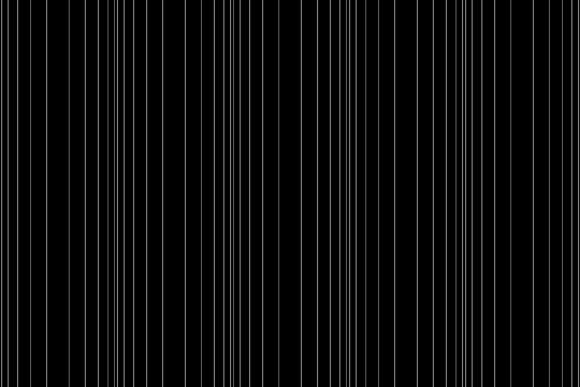
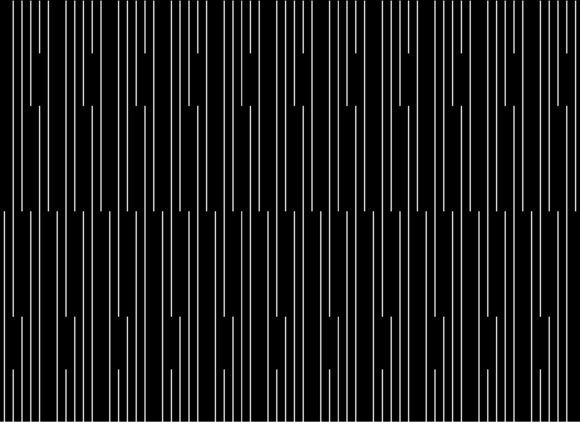
There is something quietly arresting about a field of vertical stripes rendered in black and white. The Abstract of Vertical Pattern Vector takes this minimal motif and pushes it into a modular, almost rhythmic territory—random stripes that feel both structured and spontaneous. Unlike predictable repeating lines, this pattern introduces irregularity within a clean framework, offering a contemporary twist on a classic textile staple.
For designers, fabric printers, and wallpaper producers, the Abstract of vertical pattern vector represents a versatile tool that bridges the gap between bold graphic statements and subtle background textures. The white-on-black monochrome palette strips away distraction, leaving only line, contrast, and movement. This is not merely a pattern; it is a design system built for adaptability across mediums.
Understanding the Modular Striped Layout
At its core, the Abstract of Vertical Pattern Vector relies on modularity—repeating units that can be stacked, mirrored, or rotated without breaking visual continuity. Each module contains vertical stripes of varying widths, arranged in a seemingly random order. Yet randomness here is deliberate: it avoids monotony while preserving the cohesive rhythm needed for large-scale applications like wallpapers or upholstery.
Key characteristics include:
- High contrast – Pure white stripes against a deep black background create maximum visual impact.
- Variable stripe widths – Thin, medium, and thick lines alternate to generate texture without clutter.
- Scalable vector format – No resolution loss whether used on a smartphone screen or a billboard backdrop.
- Seamless repeat capability – The modular design tiles effortlessly for continuous patterns on fabric or paper.
These features make the Abstract of vertical pattern vector especially suited for projects that demand both boldness and subtlety—where the pattern must be noticed but not overwhelming.
Where This Pattern Thrives in Real-World Applications
The monochrome vertical stripe motif has found its way into some unexpected places. Let me walk you through a few scenarios where this vector pattern excels:
Textile and Fashion Prototyping
Fashion designers working on avant-garde collections often turn to Abstract of Vertical Pattern Vector for digital print samples before committing to production. The black-and-white scheme allows them to test drape, scale, and visual weight without the complication of color. One designer I spoke with uses it as a base layer for transparent overlays—producing a ghost-stripe effect that shifts as the fabric moves.
For textile manufacturers, the vector format means easy scaling: a stripe module that looks dynamic on a scarf can be enlarged for a full-length coat without pixelation.
Wallpaper and Interior Backdrops
Interior stylists increasingly request Abstract of vertical pattern vector for feature walls in modern lofts and minimalist spaces. The random stripe layout avoids the rigid, almost institutional feel of traditional wallpaper stripes. Instead, it evokes a hand-drawn quality—like someone sketched vertical lines across the wall with a ruler and a steady hand, but introduced slight variations for interest.
- Living room accent walls – Creates depth without color.
- Coffee shop interiors – Adds texture to monochrome branding schemes.
- Photography backdrops – Provides a non-distracting but visually engaging surface.
Print and Packaging Design
Business owners launching premium products often select the Abstract of Vertical Pattern Vector for wrapping paper, boxes, or tissue inserts. A monochrome stripe pattern communicates sophistication and restraint. It works especially well for brands rooted in minimalism, sustainability, or modern aesthetics. I recall a small candle company that used this pattern as an outer sleeve for their product line; the result was shelf-ready without shouting for attention.
Strengths That Set This Pattern Apart
- Unlimited scalability – Vector format ensures crisp edges at any size, from postage stamp to mural.
- Neutral yet impactful – Monochrome palettes fit into nearly any design ecosystem without clashing.
- Modular flexibility – The random stripe sequence can be edited, reordered, or combined with other patterns.
- Cross-industry relevance – Equally useful for digital backgrounds, screen printing, laser engraving, and embroidery digitizing.
These strengths make the Abstract of vertical pattern vector a reliable asset in any creative toolkit. It does not dictate a style; it adapts to the context you place it in.
Considerations and Practical Limitations
No design resource is perfect for every situation, and the Abstract of Vertical Pattern Vector has a few nuances worth understanding:
- Scale sensitivity – At very small sizes (e.g., thumbnail icons), thin stripes may blend together and lose definition. Always test the pattern at your target dimensions.
- Color restrictions – If your project requires a colored palette, you will need to invert or recolor the vector. While the pattern adapts well to new hues, the default contrast relies on black and white.
- Not for dense layouts – When paired with heavy typography or detailed illustrations, the stripes can compete for visual hierarchy. Use it either as a dominant texture or as a faint overlay.
These limitations are not deal-breakers but rather points to consider during the planning phase. The Abstract of vertical pattern vector is a specialized tool, not a universal one.
How to Evaluate Suitability for Your Project
When deciding whether this pattern fits your needs, ask yourself a few questions:
- What is the primary medium? – Digital screens, printed fabric, and physical goods all handle contrast differently. Run a test print or mockup before full production.
- What atmosphere are you creating? – The random vertical stripes lend a modern, slightly industrial feel. If you need warmth or organic irregularity, consider combining this pattern with softer textures or warm accent colors.
- How prominent should the pattern be? – At full opacity, the Abstract of Vertical Pattern Vector commands attention. At lower opacity or smaller scale, it becomes a subtle texture—ideal for backgrounds that should not distract from content.
- Do you need pattern variations? – Vector modules can be rotated, mirrored, or even layered with other stripe sequences to create unique derivatives. If your project demands exclusivity, customization is straightforward.
These questions help ensure that the pattern serves your vision rather than forcing you to compromise.
Real-World Success Stories with Vertical Striped Patterns
Let me share two examples from actual projects that made effective use of the Abstract of vertical pattern vector:
Fashion Lookbook Photoshoot
A freelance fashion photographer needed a backdrop that evoked urban minimalism without overpowering the clothing. By printing the pattern on large-format paper and hanging it at a slight distance from the model, the vertical stripes created a gentle parallax effect—the lines appeared to shift as the camera moved. The resulting images had a cinematic depth that simple solid backdrops could not achieve.
Product Packaging for a Tech Accessory Brand
A startup producing premium phone cases wanted packaging that reflected their design philosophy: clean, functional, and slightly unconventional. They used the Abstract of Vertical Pattern Vector as an outer sleeve, printed in matte black with gloss white stripes. The contrast between finishes added a tactile dimension that customers commented on in reviews. The pattern became a signature element across their product line.
Why Monochrome Continues to Resonate
In an era of visual overload, the Abstract of Vertical Pattern Vector offers a kind of respite. Black and white designs carry a timeless authority that color gradients often lack. They signal clarity, intention, and confidence. For creators and business owners alike, using a monochrome stripe pattern can anchor a collection or brand identity in something recognizable yet flexible.
The Abstract of vertical pattern vector does not try to be everything. It does its job—providing structure, texture, and rhythm—and steps back to let your content take center stage. That is perhaps its greatest strength.
Final Thoughts on Choosing This Design Asset
Whether you are a graphic designer sourcing backgrounds for a lookbook, a textile printer developing a spring collection, or a small business owner refreshing your packaging, the Abstract of Vertical Pattern Vector offers a reliable, visually compelling option. Its modular random stripe structure ensures that every application feels slightly different, while the monochrome palette guarantees coherence across mediums.
Take the time to test the pattern at different scales and opacities. Explore how it interacts with your other design elements. And remember that the best uses of this pattern come not from overwhelming the viewer, but from inviting them to look closer at the subtle variations within the stripes. That is where the real interest lies.
For any project that benefits from bold contrast, modular flexibility, and a modern monochrome aesthetic, the Abstract of vertical pattern vector is a choice worth making.