The Abstract of Vertical and Horizontal Line: A Monochrome Design for Modern Applications
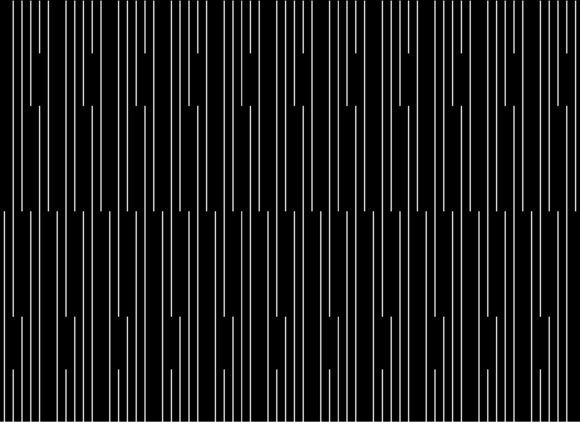
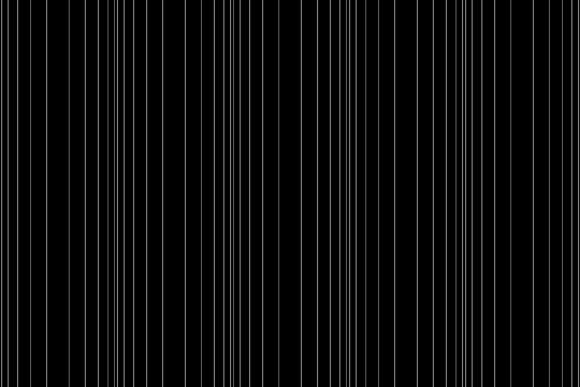
Design often finds its most compelling voice in the simplest of structures. The abstract of vertical and horizontal line is a powerful concept that strips away color and complexity to reveal the raw essence of pattern and rhythm. When you combine this idea with random stripes of white on a black background, you create a visual language that is both minimal and deeply expressive. This monochrome approach, rooted in the modern hipster aesthetic, has become a go-to resource for designers, textile creators, and illustrators. If you are looking for a versatile solution for backgrounds, wallpapers, wrapping paper, or fabric textures, understanding the abstract of vertical and horizontal pattern vector can open up a world of practical creative possibilities.
This article explores what the abstract of vertical and horizontal line truly means, why it matters for your projects, and how to use it effectively across different media. Whether you are a graphic designer seeking isolated patterns for print, a textile artist searching for striking cloth textures, or a content creator needing a backdrop that communicates sophistication, the monochrome stripe vector pattern offers a reliable answer.
Understanding the Abstract of Vertical and Horizontal Line
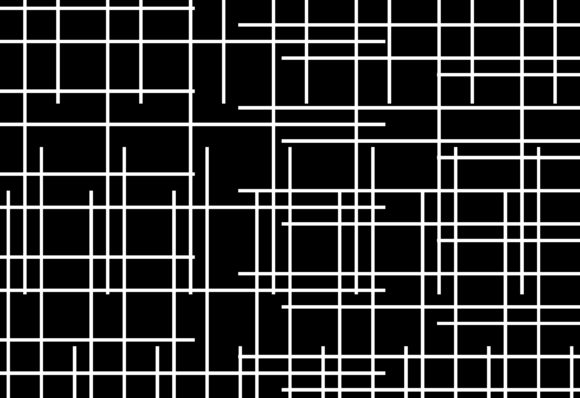
At its core, the abstract of vertical and horizontal line is about structure without representation. It is not a depiction of a real-world object but a pure arrangement of lines that run either up-down or left-right across a surface. When you introduce randomness into these stripes, you break away from predictable grids. The result is a dynamic composition that feels both ordered and organic. The white-on-black inversion further amplifies contrast, making every line appear sharp, intentional, and modern.
The abstract of vertical and horizontal pattern vector refers to a scalable, resolution-independent version of this design. Vector files are essential for professional use because they allow you to resize the pattern infinitely without losing quality. This means the same design can appear on a small greeting card or a massive building wrap, and it will remain crisp and clean every time. For anyone working in illustration, textile design, or wallpaper production, having a vector version of this pattern is like having a universal key that fits countless locks.
Why Monochrome Stripes Address Real Design Challenges
Many creative professionals face common obstacles: finding patterns that are bold yet subtle, modern yet timeless, and versatile enough for multiple uses. Color can be distracting or can clash with other elements in a composition. A monochrome white-on-black design sidesteps those issues entirely. Here are specific challenges that the abstract of vertical and horizontal line helps solve:
- Visual noise: Busy patterns often overwhelm the main subject. A random stripe arrangement provides texture without shouting for attention.
- Brand consistency: Black and white patterns work across all brand color schemes, making them ideal for backgrounds and packaging that must remain neutral.
- File scalability: Raster images pixelate when enlarged. A vector pattern eliminates this worry, especially for large-format printing like backdrops or wall coverings.
- Production constraints: In textile printing, solid monochrome designs are easier to register correctly, reducing waste and production errors.
- Aesthetic longevity: Trend-driven colors date quickly. A black-and-white stripe pattern stays relevant season after season, year after year.
When you adopt an abstract of vertical and horizontal pattern vector as part of your toolkit, you gain a reliable asset that performs under pressure. Whether you are preparing files for a high-volume wallpaper run or designing a limited-edition print, this pattern delivers consistency and impact.
Illustration and Graphic Design
In digital illustration, backgrounds can make or break a composition. A random stripe pattern in white on black provides a neutral but textured canvas that adds depth without fighting the foreground. Use it as a backdrop for typography, product mockups, or social media graphics. The monochrome scheme ensures that your text or primary image remains legible and prominent. Because the pattern is isolated in vector form, you can easily adjust the density of stripes, their angle, or their spacing to suit specific layouts.
Textile and Fabric Design
For textiles, the abstract of vertical and horizontal line translates directly into woven or printed cloth. Random stripes create visual interest in apparel, upholstery, and accessories. A black fabric with white stripes can serve as a striking base for a jacket, a subtle accent in a throw pillow, or a bold lining for a bag. The random quality prevents the fabric from looking like a conventional pinstripe, giving it an edgy, handcrafted feel that appeals to the modern hipster market. Because the design is vector-based, you can produce it at any scale without distortion, which is critical when matching patterns across large pieces of cloth.
Wallpaper and Backdrop Design
Wallpapers and backdrops benefit immensely from patterns that are both graphic and unobtrusive. A white-on-black stripe pattern creates a dramatic wall treatment without overwhelming a room. It works especially well in entryways, accent walls, or commercial spaces where a modern, gallery-like atmosphere is desired. For photographers and videographers, a backdrop with random vertical and horizontal lines adds texture to portraits and product shots. The monochrome nature means it will not introduce unwanted color casts, making post-production easier.
Wrapping Paper and Packaging
In packaging, the abstract of vertical and horizontal pattern vector offers a premium unboxing experience. Wrapping paper in black with white stripes feels minimalist and sophisticated. When you use it for gift wrap, the pattern enhances the presentation without competing with ribbons or tags. For product packaging, such as boxes or bags, the design communicates a brand that values clean aesthetics and attention to detail. Small businesses and independent artists especially appreciate that this pattern can be printed in small batches without requiring multiple color plates.
How Different Users Approach the Same Pattern
Not everyone uses the abstract of vertical and horizontal line in the same way. The beauty of this pattern is that it adapts to your workflow and creative vision.
Graphic designers typically start with a vector file and manipulate it in software like Adobe Illustrator or Affinity Designer. They may rotate the pattern, scale it, or combine it with other elements. For them, the isolated vector is a building block that can be layered, masked, or used as a clipping path.
Textile artists and fabric printers need a pattern that repeats seamlessly. They often check for tiling issues and adjust the random distribution to ensure that no obvious seams appear when the pattern repeats across yards of material. A well-constructed abstract of vertical and horizontal pattern vector will already have seamless repeat built in, but users may tweak the density for different fabric weights.
Interior designers look at scale. A pattern that looks great on a phone case may feel too busy on a bedroom wall. They will request variations of the same pattern at different stripe widths. The vector format allows them to enlarge or reduce the pattern without re-digitizing anything.
Small business owners who sell on platforms like Etsy or Society6 need files that are ready to upload and print. They value isolated backgrounds with no extra elements, clear metadata, and consistent naming conventions. A monochrome stripe pattern that is marketed as a seamless vector fits their need for simplicity and reliability.
Recommendations for Getting the Best Results
To make the most of an abstract of vertical and horizontal pattern vector, keep these practical tips in mind:
- Check the file format. Look for SVG, EPS, or AI formats if you plan to edit the pattern. PNG with transparency works well for quick mockups, but vector formats give you full control.
- Test the scale. Before committing to a large print run, generate a sample at full size. What looks like a random stripe on screen can sometimes create unintended optical patterns when viewed from a distance.
- Consider the substrate. On glossy paper, white stripes will pop dramatically against black. On matte fabric, the contrast will be softer. Adjust the stripe width or spacing depending on your material.
- Maintain randomness. If you are creating your own version, avoid making the stripes too regular. True randomness is key to the modern hipster aesthetic. Use a randomization tool or manually vary the distances between lines.
- Think about orientation. Vertical lines create height and formality. Horizontal lines convey width and calm. A mix of both introduces tension and energy. Decide which mood suits your project.
Outcomes You Can Expect
When you integrate the abstract of vertical and horizontal line into your work, the results are tangible. You get a design asset that reduces decision fatigue because it works across projects without modification. Your audience will perceive a consistent, professional aesthetic that feels intentional and curated. For commercial applications, the monochrome vector pattern streamlines production—fewer colors mean lower costs, faster turnaround, and fewer errors.
On a creative level, this pattern frees you to focus on other elements. Since the background or texture is already solved, you can invest your energy in typography, imagery, or product design. Over time, you may find yourself returning to the abstract of vertical and horizontal pattern vector again and again, not because it is easy, but because it is effective.
The random stripe white-on-black design is more than a trend. It is a fundamental tool that addresses real needs: the need for versatility, the need for timelessness, and the need for a pattern that supports rather than dominates. Whether you are creating illustration assets, textile collections, wallpaper lines, or packaging solutions, this pattern deserves a place in your resource library.