Tropical Leaves Vector Pattern: Versatile Design Tool
Whether you’re building a brand identity, designing a website mockup, or creating social media templates, a Tropical Leaves Vector Pattern can instantly bring the feel of a sun-drenched paradise into your work. Unlike static raster images, vector patterns are resolution-independent—they scale to any size without losing sharpness. This means the same file works for a tiny icon, a full-screen hero background, a fabric print, or a massive billboard. For designers, marketers, and content creators who need flexible, high-quality assets, vector patterns featuring tropical leaves offer a perfect balance of natural warmth and modern precision.
What Makes a Tropical Leaves Vector Pattern So Useful?
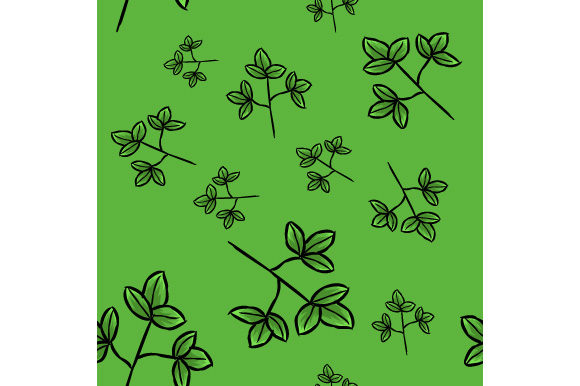
At its core, a tropical leaves vector pattern is a repeating arrangement of leaf motifs—think monstera, palm frond, banana leaf, or fern—created with mathematical paths rather than pixels. Because it’s a vector file (commonly SVG, AI, or EPS), you can edit colors, rotate elements, rescale the entire pattern, or even extract individual leaves and rearrange them. This adaptability saves hours of manual redrawing and lets you tailor the look to fit any project, from a tropical-themed poster to a serene app background.
Another strength is the sheer variety available. Some patterns are dense and lush, perfect for covering large surfaces; others are sparse and airy, suitable for subtle accents. Many come with layered leaves in different opacities, creating depth that feels organic rather than flat. The color palette can range from realistic greens and browns to bold, stylized hues like teal, coral, or gold, giving you control over the mood.
Real-World Applications Across Industries
The versatility of a tropical leaves vector pattern means it finds a home in many settings, from personal projects to corporate campaigns. Below are some practical use cases that show why this asset is valuable.
Digital Products and User Interfaces
In web and app design, a tropical leaves vector pattern can serve as a hero background, a subtle texture in a sidebar, or a decorative element on a landing page. Because it’s vector, it loads quickly and looks crisp on retina displays. For example, an e-commerce store selling beachwear or organic skincare might use the pattern as a full-width header background, then repeat it on product detail pages to maintain visual consistency. The pattern can also be applied to icons or buttons—such as a palm leaf shape used as a “like” button—adding a cohesive theme without overwhelming the interface.
For marketers creating email templates, a tropical leaves vector pattern can be placed in the header or as a divider between sections. Since email clients handle vector formats differently, many designers export the pattern as a high‑resolution PNG, but the original vector file remains editable for future campaigns. This efficiency is a major time-saver when you need to produce multiple assets quickly.
Print and Physical Media
Posters, flyers, brochures, and banners often benefit from a bold, eye-catching pattern. A tropical leaves vector pattern scales perfectly to poster size (e.g., 24×36 inches) without pixelation, making it ideal for event promotions, retail signage, or travel agency materials. I have seen small businesses use the same pattern on their storefront window vinyl, shopping bags, and loyalty cards—creating a unified brand look across all touchpoints. For educators or trainers, the pattern can be used in handouts, slide backgrounds, or classroom posters to introduce topics like botany, geography, or design theory in a visually engaging way.
Hobbyists and freelancers often turn to vector patterns for personal projects such as scrapbooking, invitations, or custom gift wrap. Because the file can be printed at any size, you can make a single sheet of wrapping paper or hundreds of party napkins from the same design. The vector format also allows easy recoloring to match a specific event palette, like swapping green leaves for gold on a wedding invitation.
Branding and Marketing Collateral
Entrepreneurs and brand owners can use a tropical leaves vector pattern as a signature visual element. It works well as a pattern fill for logos, as a watermark on social media images, or as a constant backdrop in video content. When applied consistently, the pattern becomes part of the brand’s identity, signaling warmth, nature, and relaxation. A yoga studio, for instance, might use the pattern across its website, class schedules, and Instagram stories to reinforce its calming, organic vibe.
For bloggers and publishers, the pattern can be a header graphic, a sidebar background, or a decorative element in ebooks. Since vector patterns are usually layered, you can adjust opacity so text remains readable—a practical consideration many overlook when first using decorative backgrounds.
Key Benefits: Usability, Efficiency, and Impact
Choosing a tropical leaves vector pattern over a raster alternative brings several tangible advantages:
- Scalability without compromise. Enlarge or reduce the pattern as needed; it will always be sharp. This is critical when the same design must appear on a business card and a trade show banner.
- Editability and customization. Vector software (Adobe Illustrator, Inkscape, Affinity Designer) lets you change colors, remove leaves, alter spacing, or combine multiple patterns. You can create a unique variant in minutes.
- Smaller file sizes. Vector files are often much smaller than high-resolution raster equivalents, which means faster page loads on the web and easier file sharing.
- Consistent branding. Because you can reuse the exact same pattern across media, your visual identity stays cohesive. This professional consistency builds trust with your audience.
- Engagement and appeal. Tropical leaf motifs evoke feelings of calm, vacation, and vitality. They naturally draw the eye and can increase time spent on a page or dwell time at a physical display.
For content creators and marketers, these benefits translate into more efficient workflows and better audience response. Instead of hunting for a new background for every project, you can adapt the same core visual to fit different contexts, saving hours of search and rework.
Practical Considerations When Choosing and Using a Pattern
Not every tropical leaves vector pattern is created equal. To get the most out of your purchase or download, consider these factors:
- Format and software compatibility. Ensure the pattern is supplied in a vector format you can open (e.g., SVG for web, AI or EPS for Adobe, EPS for Affinity). Some sellers also include high-resolution PNG as a fallback.
- File organization. A well-structured pattern file has separate layers for leaves, background, and effects. This makes editing far easier. Check the product description for details on layer organization.
- License terms. If you plan to use the pattern in commercial products (like selling printed merchandise or using it in client branding), verify that the license permits commercial use. Many marketplaces offer both personal and extended licenses.
- Repeatability. Test the pattern’s tiling. Some patterns have seamless repeats, while others may show hard edges. Seamless patterns are essential for large areas like wallpapers or packaging.
- Color space. If you are printing, use a pattern in CMYK color mode to ensure accurate colors. For digital use, RGB is fine. Many vector files are in RGB but can be converted with care.
When implementing the pattern, start with low opacity or a small scale to avoid overwhelming your layout. You can always increase intensity later. A common technique is to use the pattern as a texture in the background and then overlay a semi‑transparent solid color to improve readability of text or foreground elements.
Examples to Inspire Your Next Project
To spark ideas, here are a few realistic scenarios where a tropical leaves vector pattern could be the star:
- Travel agency website. Use a vibrant green monstera pattern as the background for hero images of beaches. Scale it down for social media profile frames.
- Yoga studio class schedule. Print a soft, faded leaf pattern on the front and back of a trifold brochure. The organic shapes complement the studio’s natural ethos.
- Freelancer’s portfolio. Apply a subtle palm frond pattern to your contact page background. It adds personality without distracting from your work samples.
- E‑commerce product packaging. Create custom tissue paper by printing a vector pattern in your brand colors. Customers will associate the unboxing experience with quality and care.
- Educational worksheet. Use a lightly colored fern pattern as a background for a biology vocabulary sheet. It makes the page feel less sterile and more engaging for younger students.
Each of these examples shows how a single asset can be adapted to different formats and purposes, saving you time while elevating the visual communication.
Final Thoughts on Tropical Leaves Vector Patterns
Whether you are a seasoned designer or a small business owner handling your own marketing, a tropical leaves vector pattern offers a practical, beautiful way to enhance your projects. Its scalability, editability, and emotional appeal make it a workhorse asset for everything from digital interfaces to printed materials. By choosing a well‑structured file and considering your specific use case, you can integrate the pattern seamlessly into your workflow. The result is a cohesive, professional look that resonates with audiences and strengthens your brand’s visual identity.