Islamic Pattern: A Practical Guide for Design Selection and Use
Islamic pattern represents a sophisticated visual language rooted in geometry, symmetry, and repetition. These designs, often featuring intricate star shapes, overlapping polygons, and flowing arabesques, are more than decorative elements — they are a deliberate fusion of art, mathematics, and cultural tradition. For designers, event planners, and content creators, understanding when and how to use an Islamic pattern can significantly influence the visual impact of a project.
This article offers a balanced, decision-focused examination of Islamic pattern as a design resource. Rather than simply describing its features, we will explore the practical considerations that determine whether these patterns align with your specific goals, whether you are creating an Eid Mubarak card, a Ramadhan card, or a large-scale Islamic wallpaper for a digital or print environment.
Understanding Islamic Pattern as a Design Element
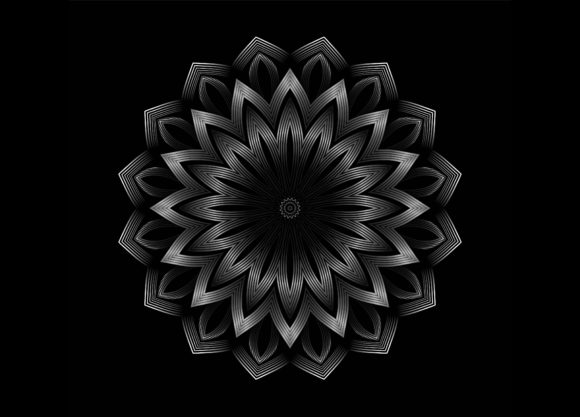
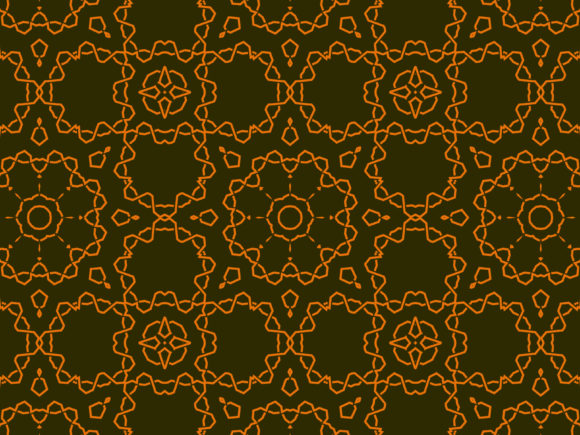
An Islamic pattern is typically constructed from repeating geometric units. These units often form eight-pointed stars, six-pointed stars, or more complex tessellations. The absence of human or animal imagery is a deliberate characteristic, with the focus placed on abstract repetition that evokes infinity and unity. This makes the pattern suitable for a wide range of applications, from subtle backgrounds to prominent ornamentation.
When you look at an Islamic pattern, you are seeing a visual system that has been refined over centuries. Modern digital files, such as JPG files, make these historic designs accessible for contemporary projects. The key consideration is not just whether the pattern looks attractive, but whether its specific geometry, scale, and color palette serve your intended purpose.
Reasons to Consider Islamic Pattern for Your Project
Several practical motivations lead designers and clients to choose Islamic pattern as a core visual element. Understanding these can help you evaluate whether this style fits your needs.
- Cultural and religious resonance: For projects tied to Islamic holidays or contexts, a pattern with authentic geometry can immediately establish a connection with the audience. This is especially relevant for Eid Mubarak card designs or Ramadhan card creations, where the pattern reinforces the message without the need for additional symbols.
- Versatility across media: Islamic patterns work both as a primary design element and as a background texture. As an abstract pattern, it can fill space without distracting from text or other graphics. As a foreground decoration, it can serve as a standalone ornament.
- High visual impact with low complexity: A well-chosen Islamic pattern can make a simple layout appear intricate and deliberate. This is particularly useful when you need a professional result without designing every element from scratch.
- Timeless aesthetic: Unlike trend-driven visual styles, Islamic geometric patterns have a classic quality that does not date quickly. This can be an advantage for projects intended to last or be used repeatedly, such as annual holiday cards or event backdrops.
Benefits
One of the primary benefits of using an Islamic pattern in a JPG file format is ease of deployment. You can insert these files directly into layouts for digital use or print. The pattern provides instant visual structure. For a project like an Islamic wallpaper, a repeating geometric pattern can create a cohesive and meditative background that is neither too busy nor too sparse.
Another benefit is the symbolic depth. Many viewers with knowledge of Islamic art will recognize the geometric precision and appreciate the cultural reference. This can add a layer of meaning to your design that goes beyond surface aesthetics.
Tradeoffs
However, there are tradeoffs to consider. The same geometry that makes Islamic pattern distinctive can also limit its flexibility. If your project requires a minimalist, clean, or modern look, the density of a traditional geometric pattern may feel overwhelming. Additionally, because these patterns are often highly symmetrical, they may not work well with asymmetrical layouts or irregularly shaped canvases.
Another tradeoff is file resolution and size. A JPG file is convenient, but if the pattern was not created at a high enough resolution for your intended print size, you may encounter pixelation. Always verify the resolution of the pattern against your output requirements before committing to a specific design.
Key Considerations When Selecting an Islamic Pattern
Before you choose an Islamic pattern for your project, evaluate the following factors to ensure a good fit.
- Color harmony: Islamic patterns are available in many color schemes. The palette you select should match the mood of your project. Deep blues and golds convey formality and tradition, while lighter pastels work well for contemporary Ramadhan card designs. The pattern’s colors should not clash with other visual elements you plan to include.
- Scale and repetition: Consider how the pattern will repeat across your canvas. A pattern that looks elegant as a small tile may become chaotic when scaled up. Test the pattern at your intended size before finalizing.
- Intended use: A pattern intended for a background in a digital Eid Mubarak card should have lower contrast and less complexity than one used as a primary ornament on a physical invitation. Define the role of the pattern early in your design process.
- File quality: Since the pattern is available in JPG file format, check that the compression level is appropriate for your use. For high-quality print work, ensure the file is saved at a high resolution with minimal compression artifacts.
Situations Where Islamic Pattern Is a Strong Fit
Islamic pattern excels in projects where cultural context, tradition, or formality is important. Here are specific scenarios where it is particularly effective.
- Holiday and greeting materials: For Eid Mubarak card and Ramadhan card designs, the pattern provides an immediate visual cue that aligns with the occasion. It can frame text, serve as a border, or fill the background.
- Religious and community event decorations: Whether used as Islamic wallpaper for an event backdrop or as part of printed programs, the pattern establishes a setting that feels intentional and respectful.
- Digital and print media with a cultural focus: If you are producing content for educational, cultural, or religious organizations, Islamic pattern can reinforce the identity of the material without relying on stereotypes.
- Ornamental accents: When you need a subtle yet sophisticated abstract pattern to add texture to a layout, Islamic geometry is a reliable choice. It can be faded into the background or used as a watermark-style element.
Situations Where Alternatives May Be Worth Considering
There are also scenarios where Islamic pattern may not be the optimal choice, and a different design approach could better serve your goals.
- Ultra-modern or minimalist projects: If your design aesthetic leans toward stark simplicity, unadorned space, or industrial clean lines, a dense geometric pattern may compete with your intended look. In such cases, consider a plain texture or a very subtle, low-contrast geometric repeat.
- Highly text-heavy layouts: Islamic patterns, especially those with strong contrast, can make text difficult to read. If your project requires large blocks of text, you may need to use the pattern only as a border or corner accent rather than a full background.
- Projects requiring brand-specific imagery: If the goal is to promote a specific commercial brand with its own visual identity, a generic pattern may weaken brand recognition. In this case, a custom-designed background or brand-specific illustration may be preferable.
- Budget or time constraints: While a pre-made JPG file is affordable and quick, custom development of a pattern may be necessary for a truly unique look. If your project demands originality, a stock pattern may feel too generic, and commissioning a custom design could be a better investment.
Practical Decision-Making Insights
To determine whether Islamic pattern is right for your project, ask yourself a few key questions.
First, what is the primary purpose of the pattern? If it is to establish cultural context or evoke tradition, the pattern is likely a strong choice. If it is simply to fill empty space, a simpler texture might be more appropriate.
Second, who is your audience? For viewers familiar with Islamic art, the pattern will carry meaning. For general audiences, the pattern will be perceived primarily as geometric decoration. This distinction matters when you are choosing between a traditional pattern and a generic abstract design.
Third, what format is your final output? For digital use such as social media graphics or screen-based backgrounds, a moderate-resolution JPG file is generally sufficient. For large-format print, such as banners or wall-sized Islamic wallpaper, confirm that the pattern file has the necessary resolution and that the pattern repeat is seamless at the intended scale.
Finally, test the pattern in context. Place your text, images, and other elements on top of the pattern to see if the overall composition feels balanced. Sometimes a pattern that looks beautiful alone becomes overwhelming when combined with other components. Adjust contrast, opacity, or scale until the pattern supports rather than dominates your layout.
Determining Alignment with Your Goals
Islamic pattern, when used thoughtfully, is a design tool that offers both aesthetic and cultural value. It is not a universal solution, but for projects where tradition, geometry, and abstraction are assets, it can be highly effective. By balancing the benefits of visual impact and cultural resonance against the tradeoffs of complexity and flexibility, you can make an informed decision that aligns with your project goals.
Remember that the JPG file format provides easy access to these patterns, but the real work lies in selecting the right pattern, scale, and color for your specific context. Whether you are designing an Eid Mubarak card, a Ramadhan card, or an Islamic wallpaper for a special event, the pattern should serve your message, not overshadow it. With careful evaluation, Islamic pattern can elevate your design and connect with your audience in a meaningful way.